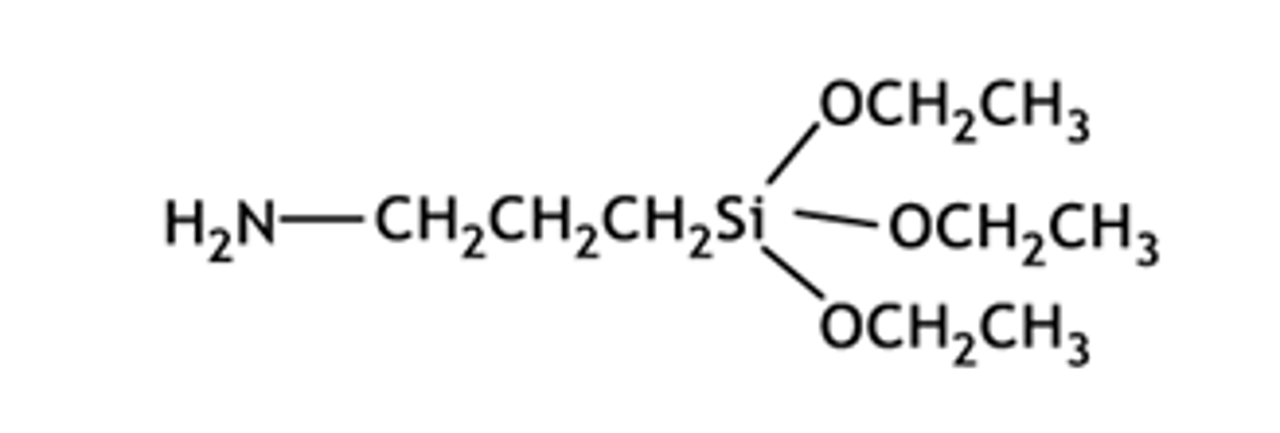

Ethoxylated organo-functional silanes are a specialized class of silane compounds modified with ethylene oxide (ethoxylate) chains and functional organic groups. These chemicals are widely used as surface modifiers, coupling agents, and dispersants in industries like coatings, adhesives, sealants, plastics, and personal care.
What are ethoxylated organo-functional silanes?
Structure: Typically, these molecules have:
- A silane group (Si–OR): Capable of hydrolyzing and bonding with inorganic surfaces such as glass or metal;
- An organo-functional group (e.g., amino, epoxy, methacryloxy): Reactive with organic polymers;
- An ethoxylated segment (–(CH₂CH₂O)n–): Enhanced water solubility, flexibility, or surfactant behavior.
Most commonly used silanes are methoxy functional instead of ethoxy functional.
There are advantages on using ethoxylated OFS instead of methoxylated OFS. Please find the comparison table below.
COMPARISON TABLE
| Feature | Methoxylated silanes | Ethoxylated silanes |
|---|---|---|
| Hydrolysis Rate | Faster due to smaller size and higher polarity | Slower, more controlled hydrolysis |
| Volatility | More volatile | Less volatile |
| Shelf Life | Usually shorter (more prone to premature hydrolysis) | Longer shelf stability in many cases |
| Solubility in Water | Better initial solubility, but may precipitate quickly | Often forms more stable emulsions or dispersions |
| Byproduct Alcohol | Methanol (toxic, flammable) | Ethanol (less toxic) |
| Application Use | Fast-bonding primers, glass treatments | Controlled-release coatings, dispersants |
| Reactivity | Very reactive – may need moisture control during storage | Moderate reactivity – easier handling |
| VOC Regulation Impact | Stricter due to methanol release | Slightly less strict (ethanol considered less hazardous) |
Regulatory and Safety Note:
- Methoxylated silanes: Upon hydrolysis, these silanes release methanol, a substance that is highly flammable and toxic. May trigger VOC and GHS hazard classifications;
- Ethoxylated silanes: Release ethanol, considered safer but still flammable.
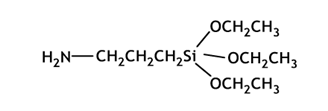
Due to evolving legislation across several continents, the labeling requirements for methoxylated organo-functional silanes (OFS) have changed. These silanes release methanol as a byproduct during hydrolysis, a substance classified as a suspected carcinogen, which requires hazard labeling. In contrast with ethanol, the byproduct released by ethoxylated silanes, for which this is not the case.
BRB offers a range of ethoxylated organo-functional silanes:
ETHOXYLATED ORGANO-FUNCTIONAL SILANES
| BRB product | Chemical name | CAS-number | Functionality/application |
|---|---|---|---|
| BRB Silanil® 505 | N-(2-aminoethyl)-3-aminopropyl-triethoxy silane | 5089-72-5 | Diamino functional, very good adhesion promotor |
| BRB Silanil® 581 | 3-aminopropyltriethoxysilane aqueous solution | 58160-99-9 | Adhesion promotor, 40% in aqueous solution. Water-based coatings |
| BRB Silanil® 919 | 3-aminopropyltriethoxysilane | 919-30-2 | Adhesion promotor, organic and inorganic reactivity |
| BRB Silanil® 260 | 3-glycidoxypropyltriethoxysilane | 2602-34-8 | Coupling agent, as well organic as inorganic reactivity |
| BRB Silanil® 780 | Vinyltriethoxysilane | 78-08-0 | Dispersing agent for fillers/polymer chain modifier. Water and abrasion improvement |
| BRB Silanil® 203 | Methyltriethoxysilane | 2031-67-6 | Hydrophobic agent for inorganic surfaces (MS polymer and Solgel) |
| BRB Silanil® 294 | N-octyltriethoxysilane | 2943-75-1 | Hydrophobic surface modifier for fillers, water repellent for construction chemicals |
| BRB Silanil® 403 | Triethoxysilyl propyl tetrasulfide | 40372-72-3 | Coupling agent between inorganic filler and organic rubber |
If you are new to our organization, please visit the BRB Silicones contact-us page to find the person responsible in your area.